Step into a world where timeless tradition meets modern elegance—the Arabic Majlis is more than just a room; it is a celebration of hospitality, culture, and community. Rooted in centuries of Arabian heritage, the Majlis features low-seating arrangements, intricate geometric patterns, rich textiles, and symbolic calligraphy that together create a warm, inviting atmosphere for guests and family alike. Whether you want to transform your living room into a cultural sanctuary or incorporate authentic Majlis furniture like carved wood sofas, plush floor cushions, and ornate coffee tables, this design philosophy blends comfort with artistry. Discover how to choose authentic pieces, balance tradition with contemporary living, and create a space that tells a story of elegance and openness.
Arabic-Majlis

In the world of interior design, there exists a realm of elegance and cultural richness known as the Arabic Majlis. Rooted in centuries-old traditions yet seamlessly blending with modern aesthetics, the Arabic Majlis has become a captivating source of inspiration for transforming living spaces. This unique style, steeped in heritage and adorned with intricate details, transcends mere décor; it embodies an essence that resonates with warmth, hospitality, and a deep appreciation for the finer aspects of life.

As we embark on a journey through the essence of Arabic Majlis décor, envision spaces that go beyond the ordinary, inviting you to indulge in the art of harmonizing tradition with contemporary living. From the intricate patterns of textiles to the symbolic geometry of architectural elements, the Arabic Majlis captivates not only the eyes but also the soul. Join us in exploring the transformative power of this design philosophy, where every piece tells a story, every color evokes emotion, and every detail contributes to the creation of spaces that transcend mere functionality – they become living narratives of cultural richness and timeless elegance.
Definition of Arabic Majlis

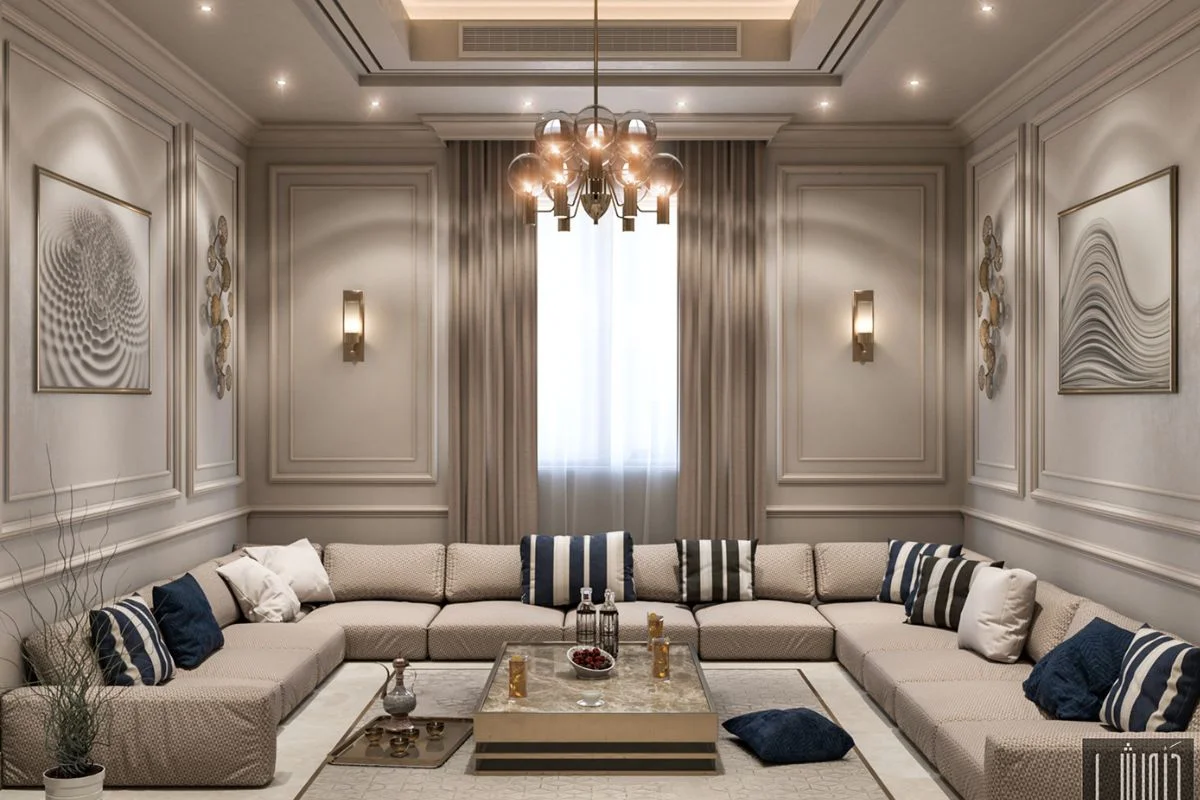
The Arabic Majlis, rooted in the rich cultural tapestry of the Middle East, is a distinctive and multifunctional space within a home designed for social gatherings, discussions, and the reception of guests. The term “Majlis” itself translates to “a place for sitting” in Arabic, emphasizing the central role of comfortable seating in this communal setting.

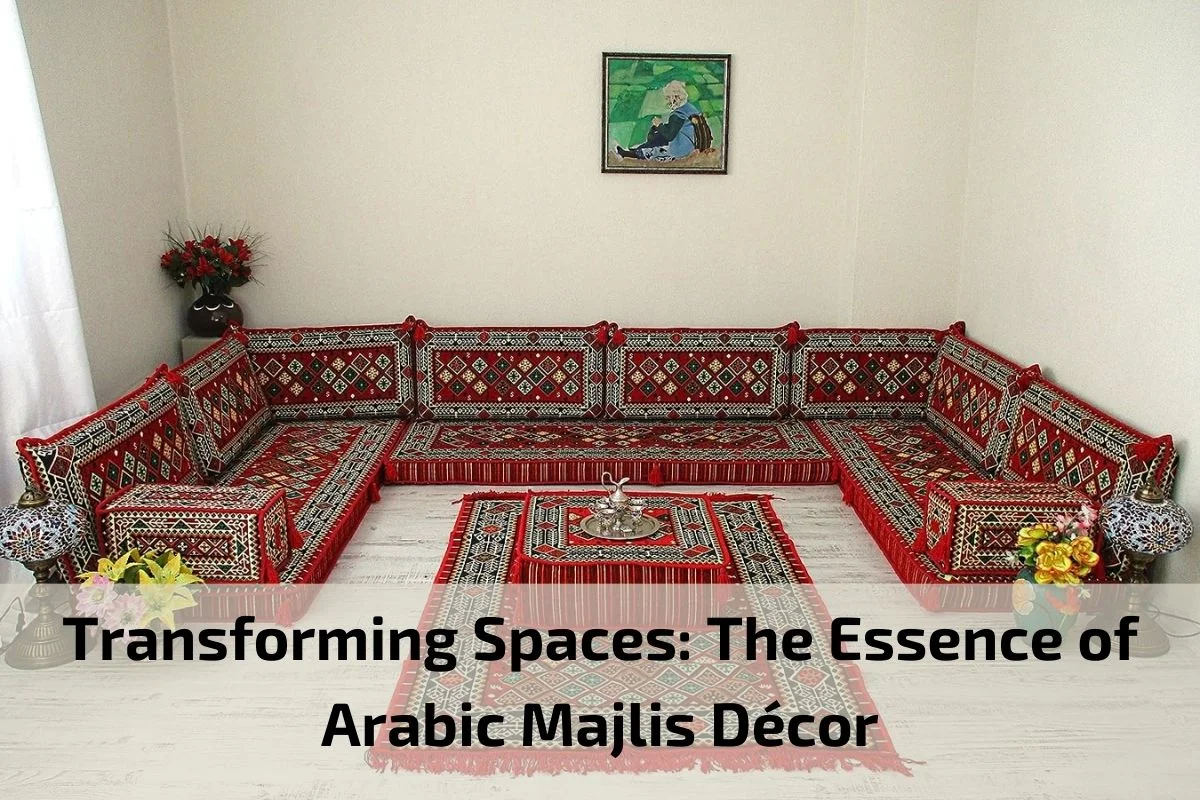
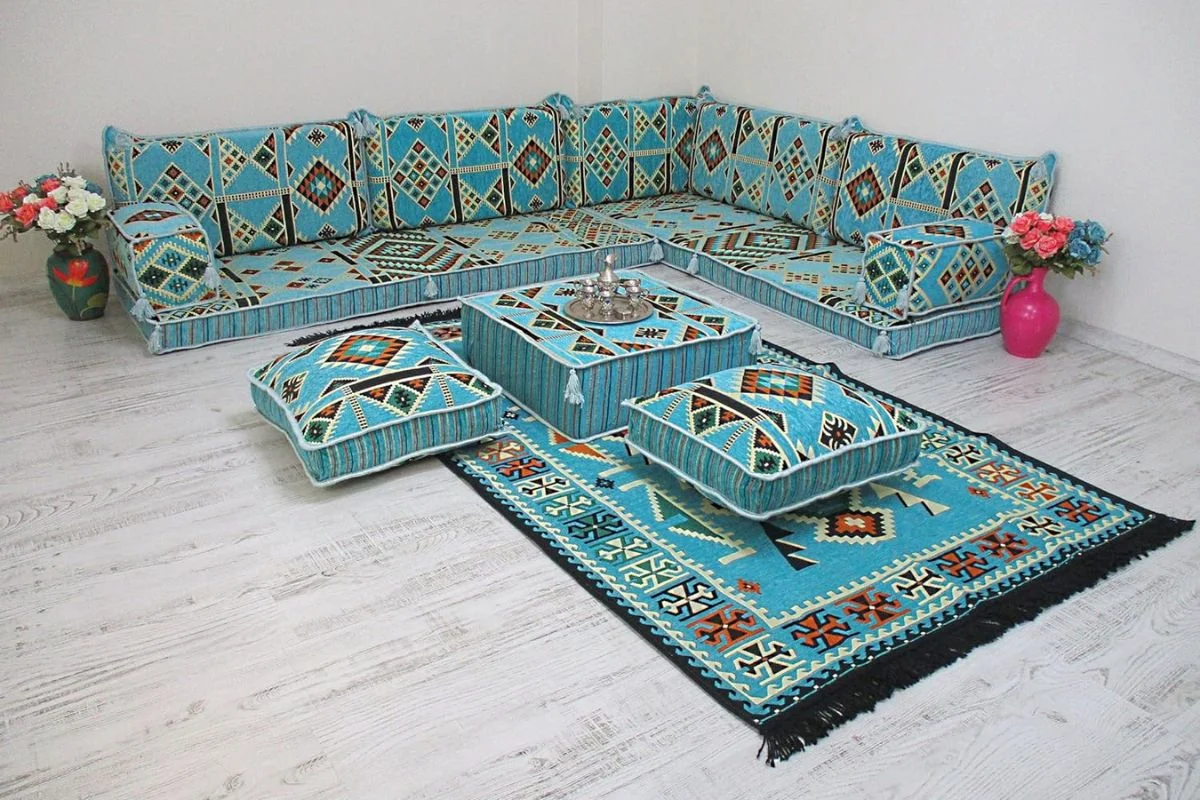
Traditionally, the Arabic Majlis features low-seating arrangements, often comprised of cushions or sofas placed around the periphery of the room. This design encourages an intimate and relaxed atmosphere, fostering conversations and shared moments among family members, friends, and visitors.

The décor of the Majlis is characterized by intricate details and craftsmanship, including geometric patterns, ornate carvings, and calligraphy. Symbolic representations, such as the use of specific colors and motifs, contribute to the cultural significance embedded in every element of the Majlis.

Beyond its physical aspects, the Arabic Majlis holds deep cultural importance, embodying the values of hospitality, community, and respect for tradition. It serves as a space where people come together to engage in discussions, celebrate special occasions, and strengthen social bonds. The influence of the Majlis extends beyond its geographical origins, with its unique design elements and cultural significance inspiring diverse interpretations in contemporary global interior design.

The Cultural Tapestry of Arabic Majlis

The Arabic Majlis, much more than a physical space, weaves a cultural tapestry that reflects the profound traditions and values of the Middle East. Steeped in history and shaped by centuries of Arabian heritage, the Majlis stands as a testament to the artistry, symbolism, and hospitality deeply ingrained in the fabric of Arab culture.

. Traditional Elements and Their Significance:

  • The Majlis is adorned with traditional elements, each carrying profound significance. Geometric patterns, inspired by Islamic art, symbolize harmony and unity. Ornate carvings and intricate details showcase the craftsmanship passed down through generations.

 Use of Geometric Patterns, Calligraphy, and Symbolism:

  • Geometric patterns are not merely decorative; they convey deeper meanings. Circles represent unity, while stars evoke spirituality. Calligraphy, often featuring verses from the Quran, adds an artistic and spiritual dimension to the space. Symbolism is woven into every thread, creating a visual language that transcends the surface.

 Connection to Arabian Hospitality and Communal Living:

  • At its core, the Majlis embodies the spirit of Arabian hospitality. It is a space designed to welcome guests, fostering a sense of warmth and openness. Communal living takes center stage, with low-seating arrangements encouraging face-to-face interactions, shared stories, and the forging of lasting connections.

 Arabic-Majlis

Choosing Authentic Arabic Majlis Furniture

Selecting the right furniture is paramount when seeking to infuse an authentic Arabic Majlis ambiance into your living space. From traditional craftsmanship to the materials used, here’s a guide to help you make informed choices and bring the essence of the Majlis into your home:

 Traditional Craftsmanship and Materials:

  • Woodwork Excellence: Authentic Arabic Majlis furniture often features intricate woodwork. Look for pieces crafted from quality hardwoods like teak, walnut, or mahogany. Carvings and details should showcase traditional Arabic motifs and patterns, reflecting the skillful craftsmanship passed down through generations.

Sourcing Authentic Pieces vs. Modern Reproductions:

  • Heritage vs. Contemporary Convenience: When seeking authenticity, consider sourcing antique or vintage Majlis furniture from reputable dealers or auctions. These pieces carry the patina of history. Alternatively, modern reproductions can offer convenience, with many contemporary designers incorporating traditional elements into their creations.

 Balancing Authenticity with Practicality and Comfort:

  • Functionality Matters: While authenticity is key, practical considerations are equally important. Ensure that the furniture is comfortable and functional for your lifestyle. Low-seating sofas, cushions, and floor seating are typical features of a Majlis but can be adapted to suit modern comfort preferences.

Upholstery Choices in Majlis Design:

  • Luxurious Fabrics: Upholstery plays a crucial role in Majlis furniture. Opt for luxurious fabrics such as silk, velvet, or high-quality brocade. Traditional patterns and colors can be incorporated to maintain an authentic look. Consider the climate of your region and choose fabrics that are suitable for the intended use.

Attention to Detail:

  • Intricate Carvings and Inlays: Authentic Majlis furniture is characterized by attention to detail. Look for pieces with intricate carvings, inlays, and embellishments. These details not only add aesthetic value but also contribute to the storytelling aspect of the furniture.

Functionality and Versatility:

  • Adapting to Modern Lifestyles: While staying true to tradition, consider the versatility of the furniture. Choose pieces that can adapt to various functions, such as transforming seating arrangements for different social gatherings or incorporating storage solutions for a tidy Majlis setting.

Custom-Made Options:

  • Tailored to Your Taste: For a truly authentic experience, explore custom-made options. Work with skilled craftsmen or artisans who can tailor furniture to your specific preferences, incorporating traditional design elements while catering to your unique needs.

 Arabic-Majlis

Tips for Creating a Majlis-Inspired Living Room

Tips for Creating a Majlis-Inspired Living Room

Bringing the timeless elegance and cultural richness of a Majlis into your living room involves thoughtful design choices and a blend of traditional aesthetics with modern comfort. Here are some tips to help you create a Majlis-inspired living room that embodies the spirit of Arabian hospitality:

Space Planning and Layout Considerations:

  • Arrange seating in a sociable and inclusive manner, typically in a U-shape or semi-circle to encourage face-to-face interactions. Consider the flow of movement, ensuring that the layout fosters a sense of togetherness.

 Mixing Traditional and Contemporary Décor Elements:

  • Combine traditional Majlis elements with contemporary decor to strike a harmonious balance. Integrate low-seating sofas, floor cushions, and ornate coffee tables with modern lighting fixtures, artwork, or accent pieces for a fusion of styles.

 Incorporating Personal Touches While Respecting Cultural Aesthetics:

  • Infuse your personal style by incorporating elements that hold sentimental value. Artifacts, family heirlooms, or souvenirs can add a personal touch while respecting the overall cultural aesthetics of the Majlis.

Utilizing Floor Seating:

  • Embrace the traditional practice of floor seating using plush cushions or sofas with low profiles. This not only adds authenticity to the design but also promotes a relaxed and communal atmosphere.

 Introducing Arabic Calligraphy and Patterns:

  • Enhance the cultural ambiance by incorporating Arabic calligraphy or traditional geometric patterns in your decor. This can be achieved through wall art, rugs, cushions, or even subtle details in furniture.

Choosing a Cohesive Color Palette:

  • Opt for a color palette that reflects the warmth and vibrancy of Arabian culture. Earthy tones like rich browns, deep reds, and golden hues can create a cozy and inviting atmosphere.

Creating a Focal Point:

  • Designate a focal point in the room, such as a striking piece of furniture, an intricately designed rug, or a captivating piece of art. This draws attention and anchors the overall design.

Incorporating Natural Elements:

  • Bring nature indoors by incorporating plants or elements inspired by nature. Traditional Middle Eastern design often includes elements like water features, plants, or even ornate screens reminiscent of garden designs.

Lighting for Ambiance:

  • Invest in lighting fixtures that contribute to the overall ambiance. Consider pendant lights, lanterns, or intricate lamps that cast warm and inviting glows, enhancing the cozy atmosphere of the Majlis.

 Textiles and Patterns: – Use luxurious textiles like silk, velvet, or brocade for cushions, curtains, and rugs. Integrate patterns inspired by Arabic design, such as intricate geometric motifs or traditional floral patterns.

Incorporating Art and Cultural Artifacts: – Display traditional art, artifacts, or wall hangings that represent Arabian culture. This not only adds character to the space but also serves as a conversation starter.

Maintaining Simplicity: – While incorporating various elements, strive for simplicity in design. Avoid clutter and allow each piece to have its own space to shine, contributing to a serene and inviting Majlis atmosphere.

Conclusion

As we conclude our exploration of Majlis décor – a journey through the rich tapestry of Arabian heritage and design – we find ourselves at the intersection of tradition and innovation, hospitality and personal expression. The allure of the Majlis lies not just in its ornate furnishings or geometric patterns but in the stories it tells, the memories it holds, and the cultural embrace it extends.

Frequently Asked Questions About Arabic Majlis Décor

What is an Arabic Majlis and what is its purpose?
An Arabic Majlis is a traditional seating area within a home designed for social gatherings, welcoming guests, and fostering community discussions. The term means “a place for sitting” in Arabic. It emphasizes low, comfortable seating arranged to encourage face-to-face conversation, reflecting core values of Arabian hospitality and communal living.

What furniture is essential for an authentic Majlis?
Essential furniture includes low-profile sofas, plush floor cushions, and ornate coffee tables arranged in a U-shape or semi-circle. Traditional craftsmanship features hardwoods like teak or walnut with intricate carvings and geometric patterns. Luxurious upholstery fabrics such as silk, velvet, or brocade add authenticity and comfort.

How do I choose authentic Majlis furniture?
Look for quality hardwoods with traditional Arabic motifs and detailed carvings. Consider sourcing antique or vintage pieces for historical patina, or choose modern reproductions that incorporate traditional elements. Balance authenticity with comfort by ensuring seating is functional for your lifestyle while maintaining cultural aesthetics.

What colors work best in a Majlis-inspired room?
Earthy tones like rich browns, deep reds, warm golds, and terracotta create a cozy, inviting atmosphere true to Arabian design. These warm hues reflect the region’s landscape and promote relaxation. Accent with jewel tones like emerald or sapphire for added luxury and visual depth.

Can I mix modern décor with traditional Majlis elements?
Yes, blending traditional and contemporary elements creates a harmonious, livable space. Pair low-seating Majlis sofas and floor cushions with modern lighting fixtures, abstract art, or minimalist accessories. This fusion respects heritage while adapting to current lifestyles and personal tastes.

What fabrics are best for Majlis upholstery?
Luxurious fabrics like silk, velvet, brocade, and high-quality cotton blends work beautifully. These materials offer both comfort and visual richness. Choose traditional patterns or solid warm tones. Consider your climate—lighter weaves for warmer regions, heavier textiles for cooler areas, always prioritizing durability.

How do I incorporate Arabic calligraphy into my Majlis?
Display Arabic calligraphy through wall art, framed verses, or decorative panels. Calligraphy often features Quranic verses or poetic sayings, adding spiritual and artistic depth. You can also incorporate calligraphy into cushions, rugs, or even custom furniture inlays for a subtle, elegant touch.

What lighting is ideal for a Majlis atmosphere?
Warm, ambient lighting from pendant lights, lanterns, or intricate metal lamps creates an intimate Majlis atmosphere. Avoid harsh overhead lights. Use dimmers and multiple light sources to cast soft glows that enhance the room’s warmth and encourage relaxation and conversation.

How do I maintain and clean Majlis furniture?
Vacuum upholstered pieces regularly using a soft brush attachment. Spot clean spills immediately with mild detergent suitable for silk or velvet. Dust wooden carvings with a soft cloth and use wood polish occasionally. For antique pieces, consult a professional conservator to preserve intricate details.

What is the significance of geometric patterns in Majlis design?
Geometric patterns in Islamic art symbolize harmony, unity, and the infinite nature of creation. Circles represent unity and eternity, while stars evoke spirituality. These patterns are not merely decorative—they carry deep cultural and philosophical meanings, enriching the Majlis with visual and spiritual depth.