
Your choice of upholstery does more than cover your furniture—it shapes the comfort, durability, and overall aesthetic of your entire home. From the soft breathability of cotton and linen to the sleek elegance of leather and the stain-resistant practicality of microfiber, each material brings unique benefits to your living space. Whether you are designing a cozy family room, a functional home office, or a luxurious formal sitting area, understanding how upholstery impacts ergonomics, maintenance, sustainability, and visual appeal is essential. This guide explores how fabric choices, cushioning, color patterns, and ethical considerations work together to create a space that is both beautiful and livable. Discover how thoughtful upholstery selection can transform your home.
Upholstery plays a crucial role in both the comfort and visual appeal of your home. From the materials you choose to the way furniture complements your décor, upholstery influences how a space feels and looks. Whether you’re focused on creating a cozy environment or aiming for a modern aesthetic, the right upholstery can make all the difference. In this blog, we will explore how upholstery affects comfort, durability, aesthetics, functionality, ergonomics, and sustainability, providing you with key insights to enhance your living space.
Material Choices and Their Impact on Comfort
The material you choose for upholstery can significantly influence comfort levels. Fabric upholstery, such as cotton or linen, offers softness and breathability, making it ideal for cozy spaces. Leather, while durable, can feel cooler in colder months but offers sleek aesthetics. Natural fabrics like wool or cotton tend to feel more breathable and cozy, whereas synthetic options like polyester or microfiber are easier to maintain but may lack the same softness. Padding and cushioning are equally important, as high-quality foam or feathers can add luxurious comfort to any seating arrangement.
Durability and Maintenance of Upholstery
Durability is a crucial factor when choosing upholstery, especially for high-traffic areas. Fabrics like microfiber and leather are renowned for their resistance to stains and wear, making them suitable for families or homes with pets. Some fabrics come with built-in stain-resistant technology, such as Scotchgard, that prolong their appearance and functionality. Maintenance varies—leather can be wiped down easily but may need conditioning to prevent cracking, while fabrics like velvet require regular vacuuming to maintain texture. Longevity is directly tied to material quality, with higher-end options offering both comfort and aesthetic value over time.
Aesthetics: How Upholstery Shapes the Look of a Room
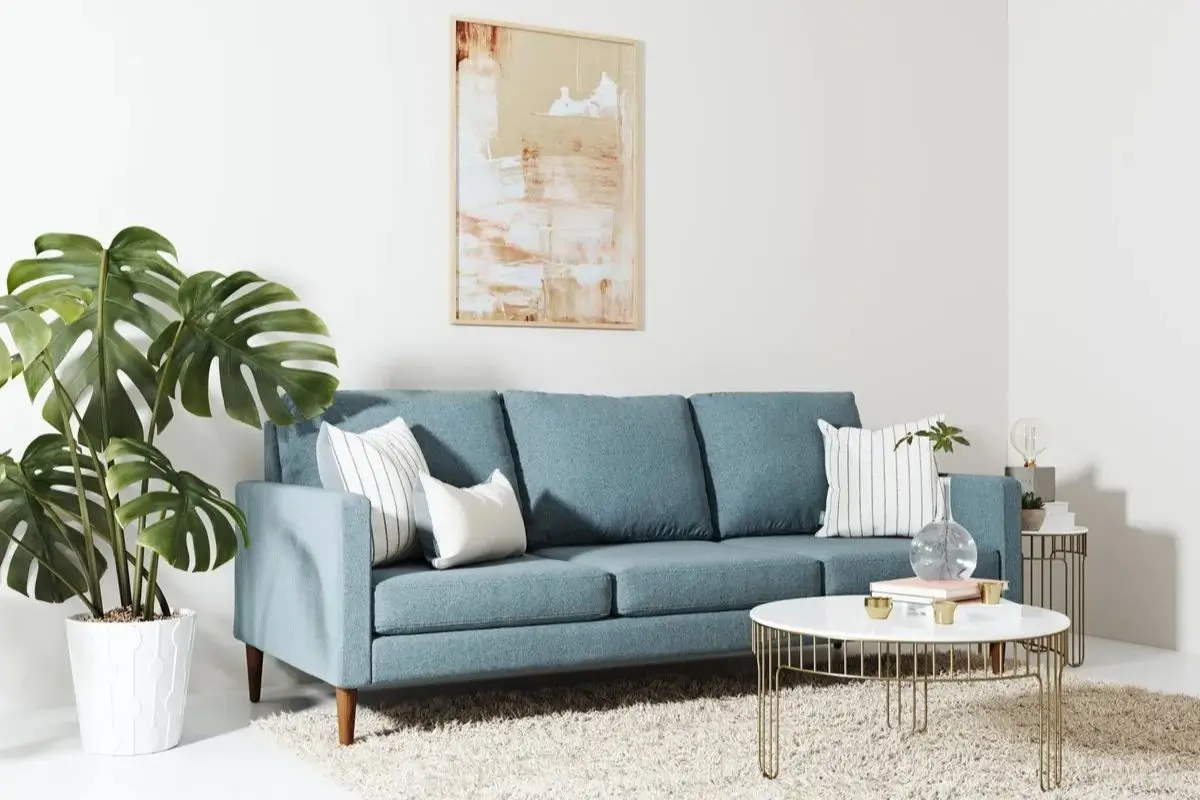
Upholstery plays a vital role in shaping the visual appeal of any room. The texture of materials like velvet or leather can create different moods—velvet adds warmth and luxury, while leather offers a sleek, modern edge. Color and pattern choices also affect the room’s overall design. Neutral tones create a versatile base, while bold colors or patterns can serve as statement pieces. Custom upholstery allows you to tailor your furniture to complement existing décor, ensuring your living space looks cohesive and stylish. Ultimately, upholstery bridges the gap between comfort and aesthetic appeal.
Functionality and Purpose of Upholstered Furniture
Different rooms in your home may require different types of upholstered furniture based on their function. High-traffic areas, such as the living room, benefit from durable, easy-to-clean fabrics, while a guest room or office may prioritize aesthetics over functionality. Multi-use furniture like sleeper sofas or sectional couches also benefit from upholstery that’s both functional and comfortable. Upholstery in functional spaces, such as home offices, should balance style with support, ensuring comfort for long hours of sitting. For purely decorative spaces, you can opt for luxurious fabrics like silk or velvet, emphasizing design over practicality.
The Role of Upholstery in Ergonomics
Upholstered furniture can directly impact ergonomics, especially when designed for support and comfort. Well-cushioned seating can promote better posture, preventing discomfort and back pain. Softer cushioning might be more comfortable for lounging, but firmer padding is better suited for support, particularly in home office chairs or formal dining seats. Ergonomically designed furniture incorporates upholstery in ways that offer both lumbar support and aesthetic appeal, making it a critical factor in choosing the right furniture for your home. Ultimately, thoughtful upholstery design can significantly improve physical comfort and well-being, especially for long-term use.
Environmental and Ethical Considerations
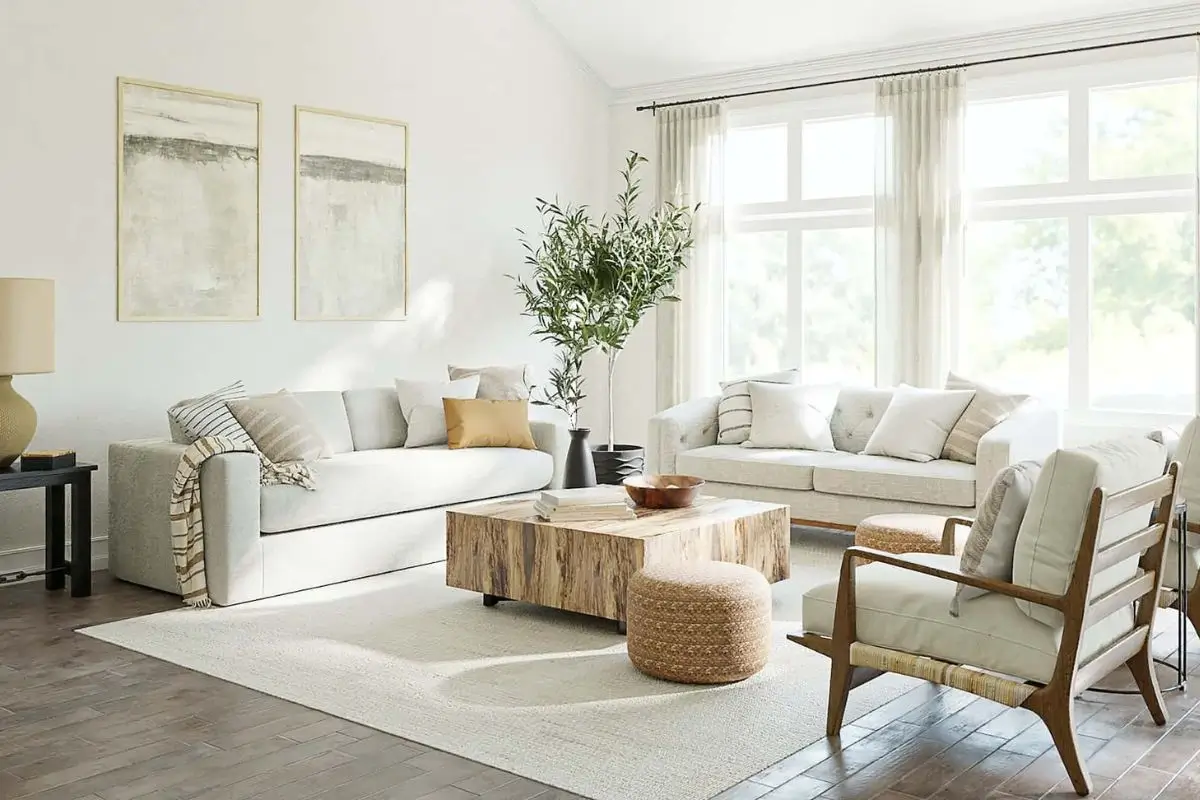
Sustainability in upholstery is becoming increasingly important for environmentally conscious homeowners. Eco-friendly upholstery options, such as fabrics made from organic cotton, hemp, or recycled materials, reduce the environmental footprint of furniture production. Additionally, low-VOC (volatile organic compounds) upholstery materials contribute to better indoor air quality, improving health outcomes for your family. Ethically sourced materials, such as fair-trade-certified fabrics, also appeal to those looking for responsible consumer choices. By choosing sustainable and ethical upholstery, you not only enhance your home’s comfort and aesthetics but also make an eco-conscious decision that benefits the planet.
Personalizing Your Space with Upholstery
Upholstery allows you to tailor your home to reflect personal style and comfort preferences. If you prefer a soft, inviting atmosphere, fabrics like velvet or chenille can provide a sense of luxury and warmth. On the other hand, if you prioritize a modern, minimalist look, sleek materials like leather or microfiber can offer a clean, polished appearance. Additionally, mixing and matching upholstery styles—combining plush armchairs with sleek, leather sofas—can create a dynamic, layered look that adds depth and character to any space. With endless fabric options, upholstery is the perfect tool for personalizing your home.
Conclusion
Upholstery significantly affects both comfort and aesthetics in your home. Material choices determine how comfortable and durable your furniture will be, while design elements like color and texture shape the room’s ambiance. From ergonomic support to environmental impact, every aspect of upholstery contributes to your living space’s functionality and style. Thoughtfully selected upholstery not only enhances the look of your home but also ensures that your furniture meets your practical and personal needs.