
Your beautiful upholstered furniture deserves proper care to stay fresh, clean, and inviting for years to come. From everyday dust and accidental spills to stubborn pet stains and lingering odors, upholstery faces constant challenges that can shorten its lifespan. Understanding your fabric type—whether natural fibers like cotton and linen, synthetic options like polyester and nylon, or low-maintenance leather—is the first step to effective cleaning. This guide covers simple DIY solutions, professional cleaning recommendations, preventive measures like slipcovers and fabric protectants, and knowing when it is time to replace worn upholstery. Discover practical methods to protect your investment and keep every sofa, chair, and ottoman looking its best.
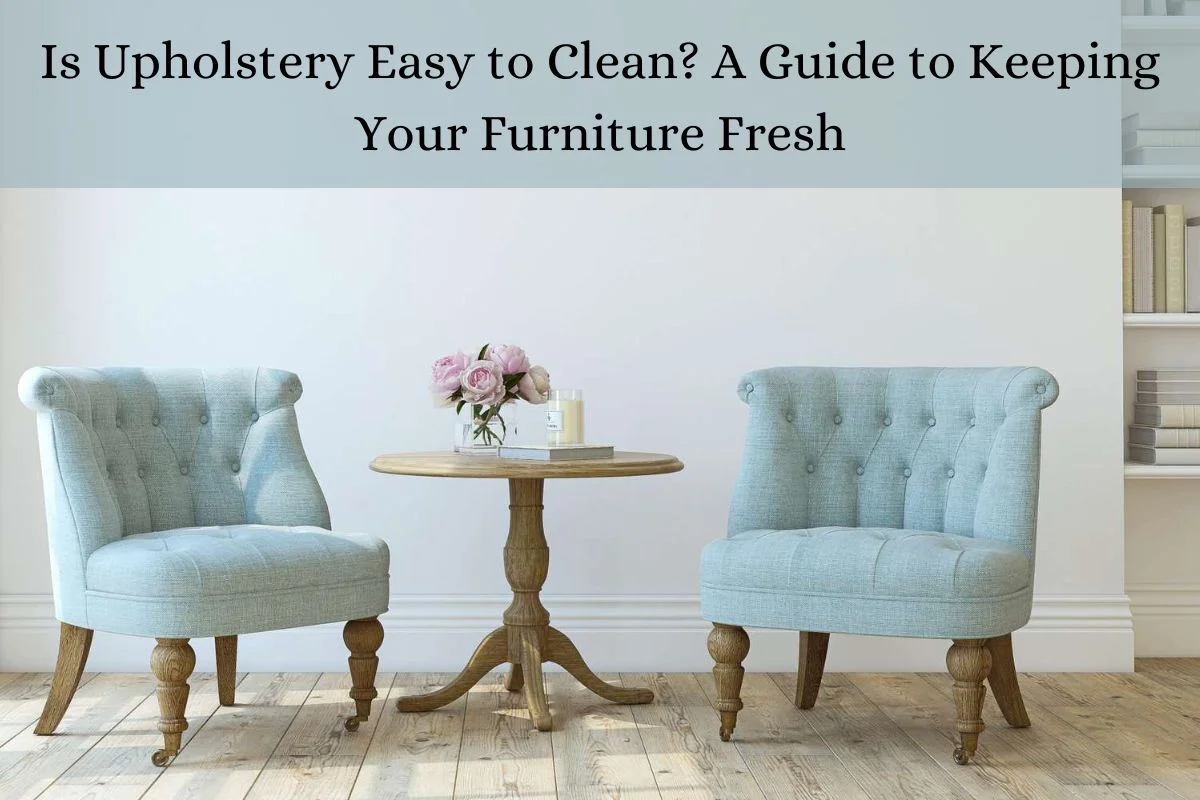
Upholstered furniture adds comfort and style to any home, but it often comes with the challenge of maintaining its appearance and cleanliness. With daily use, spills, pet hair, and dust can quickly take a toll on your beloved sofa or chair. Understanding the cleaning requirements for different upholstery types is essential for preserving the beauty and longevity of your furniture. In this guide, we will explore various upholstery materials, effective cleaning methods, and practical tips to keep your furniture looking fresh and inviting. Whether you’re a seasoned homeowner or a first-time buyer, this guide will equip you with the knowledge to tackle upholstery maintenance with confidence.
Introduction
Maintaining upholstery is essential for the longevity and appearance of your furniture. With daily use, upholstery can accumulate dirt, stains, and odors, making regular cleaning a necessity. Many homeowners wonder about the ease of cleaning various fabrics. Understanding how different materials respond to cleaning methods can alleviate concerns and empower you to keep your furniture looking fresh. This guide explores the types of upholstery fabrics, common stains, cleaning methods, and preventive measures, helping you make informed decisions on how to care for your upholstered furniture effectively.
Types of Upholstery Fabrics
Upholstery fabrics come in various types, each requiring specific cleaning methods. Natural fibers like cotton and linen are breathable and comfortable but can be prone to staining and shrinking when wet. Wool offers durability but may require specialized cleaning. Synthetic fibers, such as polyester and nylon, are typically more stain-resistant and easier to clean, making them suitable for households with children or pets. Leather and vinyl are low-maintenance options that can be wiped clean but may need conditioning to prevent cracking. Knowing your upholstery fabric is crucial for selecting appropriate cleaning techniques and products.
Common Upholstery Stains
Upholstery often encounters common stains, including food spills, drink accidents, and pet-related messes. Promptly addressing these stains is vital to prevent permanent damage. Food stains, such as grease or sauce, can be treated with mild soap and water. For beverage spills, immediately blot the area with a clean cloth to absorb excess liquid. Pet stains may require enzymatic cleaners to break down odors and prevent repeat incidents. Understanding these common stains and how to treat them can help maintain the appearance of your upholstery and extend its life.
The Ultimate Guide to Upholstery Cleaning: Simple Methods for Success
Regular cleaning methods are essential for maintaining upholstery. Start by vacuuming your furniture weekly to remove dust, dirt, and debris, preventing them from settling into the fabric. For spot cleaning, use a soft cloth and a suitable cleaning solution based on the fabric type. Blot the stain gently—avoid rubbing, as it can spread the stain. Steam cleaning is another effective method, especially for deeper cleaning. Ensure your upholstery is steam-cleanable and follow the manufacturer’s instructions. Consistent cleaning practices will help preserve the beauty and integrity of your upholstered furniture.
Professional Upholstery Cleaning
While basic maintenance is vital, professional upholstery cleaning offers deeper and more thorough results. Professionals use specialized equipment and cleaning solutions tailored to your fabric type, ensuring effective stain removal without damage. They can address stubborn stains, odors, and allergens that regular cleaning might miss. Additionally, a professional cleaning can prolong the life of your furniture by maintaining its integrity and appearance. It’s generally recommended to schedule professional cleanings every 12-18 months, depending on usage and the type of upholstery. This investment helps keep your furniture looking fresh and inviting.

Protect Your Investment: Essential Preventative Measures for Upholstery Care
Preventing stains and prolonging the life of your upholstery requires proactive measures. Start by using slipcovers or throws on frequently used furniture to protect against spills and wear. Fabric protectants can also create a barrier against stains, making it easier to clean up messes. Encourage guests to be mindful of food and drink around upholstered pieces. Additionally, keeping pets off the furniture or using designated pet blankets can minimize fur and stains. Regular maintenance, such as vacuuming and immediate spot cleaning, will help maintain your upholstery’s freshness and appearance over time.
Transform Your Upholstery: Easy DIY Cleaning Solutions You Can Make at Home
DIY cleaning solutions can be effective for treating upholstery stains without harsh chemicals. A simple mixture of white vinegar and water can clean many fabric types, while baking soda works well for absorbing odors. For grease stains, a paste of cornstarch and water can be applied and left to dry before vacuuming. However, always test any cleaning solution on an inconspicuous area first to ensure it doesn’t damage the fabric. Avoid over-saturating the fabric and blot, don’t rub, when cleaning. These homemade solutions provide a cost-effective way to maintain your upholstery’s cleanliness.
When to Replace Upholstery
Knowing when to replace upholstery can save you time and money. If stains persist despite cleaning efforts or the fabric shows signs of significant wear, it may be time for an upgrade. Additionally, upholstery that retains odors despite thorough cleaning can indicate deeper issues, such as mold or mildew. Consider the overall condition, including fading, fraying, or structural damage. If the upholstery no longer meets your aesthetic or functional needs, replacing it can rejuvenate your space. Assess your furniture regularly to determine when it’s more practical to invest in new upholstery.
Conclusion
Upholstery cleaning can be straightforward with the right knowledge and tools. Understanding your fabric type, addressing stains promptly, and employing regular cleaning methods can keep your furniture looking fresh. While DIY solutions and basic maintenance are beneficial, don’t hesitate to seek professional help for deeper cleaning. Incorporating preventive measures and being proactive about upkeep will significantly extend the life of your upholstery. Ultimately, investing time in care and maintenance pays off, ensuring your upholstered furniture remains a beautiful and functional part of your home for years to come.