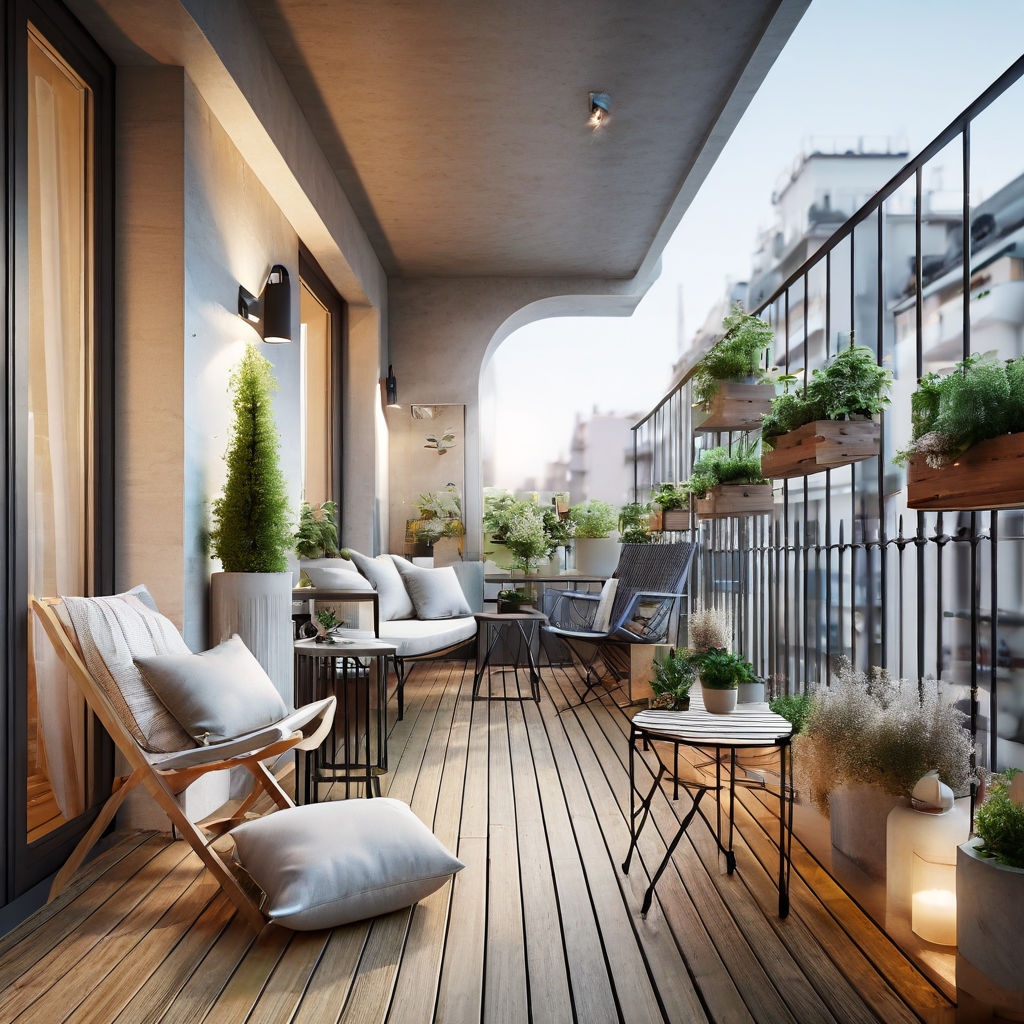
Balconies and terraces are valuable extensions of the home, offering comfortable spaces for relaxation, entertainment, and enjoying the outdoors. However, creating an inviting outdoor area requires furnishings that can withstand changing weather conditions while maintaining comfort and style.
Balcony and terrace upholstery solutions are specifically designed to combine durability, functionality, and aesthetic appeal. From weather-resistant fabrics and UV-protected materials to moisture-resistant cushions and custom seating designs, modern upholstery options can transform any outdoor space into a luxurious retreat.
Whether you have a compact apartment balcony or a spacious terrace, choosing the right upholstery solutions enhances both the appearance and usability of your outdoor area. In this guide, we will explore the best upholstery materials, design ideas, and maintenance tips to help you create a stylish and comfortable outdoor living space that remains beautiful throughout the year.
Weather-Resistant Fabrics for Partial Coverage
Outdoor upholstery in partially covered areas (like balconies or terraces) must handle both sun exposure and occasional rain. These environments are more demanding than fully shaded spaces.
Key fabric features include:
- Water-repellent surface coatings
- UV-stabilized synthetic fibers
- Breathable weave construction
- Quick drying behavior
Partial coverage setups are more vulnerable because they experience both heat and moisture cycles, which accelerate fabric breakdown if materials are not properly engineered. Solution-dyed acrylic and treated polyester blends are commonly used because they maintain color stability and resist mildew.
Quick-Dry Foam for Outdoor Upholstery in Dubai
Foam selection is important for outdoor upholstery in Dubai, particularly for balconies, terraces, poolside seating, and other areas where cushions may be exposed to humidity or occasional rain. Quick-dry foam uses an open-cell structure that allows water to drain and air to circulate more easily, helping cushions dry faster after moisture exposure.
Standard foam can provide a different cushioning feel but may retain moisture when drainage and ventilation are limited. For outdoor seating that may regularly encounter moisture, the foam should be selected together with suitable outdoor fabric and cushion construction rather than considered separately. You can also explore our outdoor-suitable upholstery fabrics and custom cushions when planning a complete balcony or terrace upholstery solution.
UV-Resistant Fabrics for Outdoor Upholstery in Dubai
Strong sunlight is an important consideration when selecting outdoor upholstery in Dubai because prolonged UV exposure can contribute to color fading and fabric degradation. Solution-dyed acrylics are commonly selected for demanding outdoor applications because the color is integrated into the fiber rather than applied only to the surface, while some polyester fabrics can also provide suitable outdoor performance when they are specifically engineered or treated for UV exposure.
Instead of relying on a simple ranking, compare the fabric’s intended outdoor use, UV resistance, colorfastness, water resistance, breathability, and cleaning requirements. For applications requiring higher-performance outdoor textiles, our Sunbrella outdoor fabric options can be considered alongside other suitable upholstery materials.
Weather-Resistant Fabrics for Partial Coverage
Outdoor upholstery in partially covered areas (like balconies or terraces) must handle both sun exposure and occasional rain. These environments are more demanding than fully shaded spaces.
Key fabric features include:
- Water-repellent surface coatings
- UV-stabilized synthetic fibers
- Breathable weave construction
- Quick drying behavior
Partial coverage setups are more vulnerable because they experience both heat and moisture cycles, which accelerate fabric breakdown if materials are not properly engineered. Solution-dyed acrylic and treated polyester blends are commonly used because they maintain color stability and resist mildew.
Quick-Dry Foam vs Standard Outdoor Foam
Foam performance is critical in outdoor seating, especially where water exposure is possible.
Key differences:
- Quick-dry foam: open-cell structure designed for fast drainage and airflow
- Standard outdoor foam: denser, slower drying but more cushioning stability
Quick-dry foam prevents water retention, reducing mold risk and unpleasant odors. Standard foam may feel softer initially but can trap moisture if drainage is poor.
For balconies and cafés, quick-dry foam is generally preferred due to frequent exposure to humidity and rain.
UV Stability Rankings: What to Look For
UV exposure is one of the fastest ways outdoor fabrics degrade, especially in sunny climates.
Key ranking factors:
- Solution-dyed fibers (highest stability)
- Acrylic-based outdoor textiles
- Polyester with UV inhibitors
- Standard dyed fabrics (lowest resistance)
UV stability depends on how deeply the color is embedded in the fiber. Solution-dyed materials resist fading far better than surface-dyed fabrics because the pigment is integrated into the fiber itself.
Fade-Resistant Color Selection: Best Hues for Dubai
Color choice plays a major role in long-term appearance under strong sunlight.
Best-performing colors include:
- Light beige and sand tones
- Medium gray shades
- Earthy taupe and stone colors
- Muted blues and greens
Avoid:
- Deep black (heat absorption + fading contrast)
- Bright reds and oranges (fast fading)
- Neon tones (poor UV stability)
Neutral, mid-tone colors tend to age more gracefully in high-UV environments like Dubai.
Drainage Design: Preventing Water Pooling
Proper drainage is essential for outdoor upholstered seating.
Key design strategies:
- Sloped seating surfaces
- Perforated base panels
- Mesh underlayers for airflow
- Elevated cushion supports
Water pooling is one of the leading causes of mold, foam breakdown, and fabric staining. Even high-quality materials will fail if water is allowed to sit inside cushion structures.
Storage Recommendations for Monsoon-Like Rain
Even in dry climates, occasional heavy rain or humidity spikes require proper storage planning.
Best practices:
- Use breathable waterproof covers
- Store cushions vertically when possible
- Avoid sealed plastic wrapping
- Ensure full drying before storage
Trapped moisture during storage is more damaging than rain exposure itself, as it encourages hidden mold growth inside foam layers.
Tie-Down Systems: Preventing Wind Loss
Wind is a major risk for outdoor cushions, especially in open terraces and high-rise balconies.
Common tie-down solutions:
- Velcro strap systems
- Hidden zipper attachments
- Weighted cushion bases
- Clip-and-loop fastening systems
Secure attachment systems prevent cushions from shifting or flying off during strong wind conditions, improving both safety and durability.
Mold Prevention Between Seasons
Seasonal changes create ideal conditions for mold growth if furniture is not maintained properly.
Prevention methods:
- Deep cleaning before storage periods
- Ensuring full drying of foam and fabric
- Using antimicrobial treatments
- Maintaining airflow in storage areas
Mold often develops internally before becoming visible, so prevention is more effective than treatment after contamination occurs.
Outdoor Upholstery for Dubai Cafés, Restaurants and Terraces
Commercial outdoor upholstery for cafés, restaurants, hotels, and terrace seating needs to balance frequent use with exposure to sunlight, dust, moisture, and food or beverage spills. Suitable materials should be selected according to the level of abrasion, cleaning frequency, UV exposure, and expected moisture contact.
Reinforced stitching, appropriately constructed cushions, easy-clean upholstery, and outdoor-rated fabrics can help support reliable performance in high-use environments.
For larger projects, fabric selection can be coordinated with the site’s broader upholstery services in Dubai so that the seating design, materials, and upholstery work are considered together.
Fade-Resistant Color Selection: Best Hues for Dubai
Color choice plays a major role in long-term appearance under strong sunlight.
Best-performing colors include:
- Light beige and sand tones
- Medium gray shades
- Earthy taupe and stone colors
- Muted blues and greens
Avoid:
- Deep black (heat absorption + fading contrast)
- Bright reds and oranges (fast fading)
- Neon tones (poor UV stability)
Neutral, mid-tone colors tend to age more gracefully in high-UV environments like Dubai.
Drainage Design: Preventing Water Pooling
Proper drainage is essential for outdoor upholstered seating.
Key design strategies:
- Sloped seating surfaces
- Perforated base panels
- Mesh underlayers for airflow
- Elevated cushion supports
Water pooling is one of the leading causes of mold, foam breakdown, and fabric staining. Even high-quality materials will fail if water is allowed to sit inside cushion structures.
Storage Recommendations for Monsoon-Like Rain
Even in dry climates, occasional heavy rain or humidity spikes require proper storage planning.
Best practices:
- Use breathable waterproof covers
- Store cushions vertically when possible
- Avoid sealed plastic wrapping
- Ensure full drying before storage
Trapped moisture during storage is more damaging than rain exposure itself, as it encourages hidden mold growth inside foam layers.
Tie-Down Systems: Preventing Wind Loss
Wind is a major risk for outdoor cushions, especially in open terraces and high-rise balconies.
Common tie-down solutions:
- Velcro strap systems
- Hidden zipper attachments
- Weighted cushion bases
- Clip-and-loop fastening systems
Secure attachment systems prevent cushions from shifting or flying off during strong wind conditions, improving both safety and durability.
Mold Prevention Between Seasons
Seasonal changes create ideal conditions for mold growth if furniture is not maintained properly.
Prevention methods:
- Deep cleaning before storage periods
- Ensuring full drying of foam and fabric
- Using antimicrobial treatments
- Maintaining airflow in storage areas
Mold often develops internally before becoming visible, so prevention is more effective than treatment after contamination occurs.
Commercial Balcony Upholstery: Café and Restaurant Terraces
Commercial outdoor seating must balance durability, comfort, and visual branding.
Key requirements include:
- High-abrasion outdoor fabrics
- UV and water resistance certification
- Fast-drying foam systems
- Easy-clean surfaces for food spills
- Reinforced stitching for heavy use
In hospitality environments, furniture is constantly exposed to both environmental stress and heavy usage, making material selection critical for long-term performance and brand presentation.
Frequently Asked Questions
Q: What is outdoor upholstery in Dubai?
A: Outdoor upholstery involves recovering or creating cushions and seating with materials selected for outdoor conditions such as sunlight, dust, moisture, and frequent use.
Q: What fabric is best for outdoor upholstery in Dubai?
A: The best fabric depends on the application, but outdoor-rated fabrics with suitable UV resistance, water resistance, colorfastness, and easy-care properties are generally appropriate for exposed seating.
Q: Is quick-dry foam suitable for balcony and terrace cushions?
A: Yes. Quick-dry foam is designed to allow water and air to move through the cushion more easily, making it useful where cushions may experience moisture.
Q: Can outdoor upholstery be used on Dubai balconies?
A: Yes. Outdoor upholstery can be suitable for balconies when the fabric, foam, stitching, and cushion construction are selected according to the balcony’s exposure to sunlight, moisture, dust, and wind.
Q: How does Dubai’s sunlight affect outdoor upholstery?
A: Prolonged UV exposure can cause fabric colors to fade and materials to deteriorate over time. UV-resistant outdoor fabrics and appropriate colorfastness can help reduce these effects.
Q: Are outdoor upholstery fabrics waterproof?
A: Not necessarily. Some outdoor fabrics are water-resistant or water-repellent rather than completely waterproof. The fabric specification should be checked for the intended application.
Q: How can I prevent mold in outdoor cushions?
A: Allow cushions to dry completely after moisture exposure, maintain airflow around stored cushions, avoid sealing damp cushions in plastic, and follow the manufacturer’s cleaning and care instructions.
Q: Is outdoor upholstery suitable for restaurant and café terraces?
A: Yes. Commercial outdoor seating can use durable upholstery selected for frequent use, regular cleaning, UV exposure, and occasional moisture or spills.
Q: Can I customize the fabric and cushions for my outdoor furniture?
A: Yes. Outdoor upholstery can be customized according to the furniture dimensions, cushion shape, fabric choice, color, and intended level of outdoor exposure.
Q: Do you provide outdoor upholstery services in Abu Dhabi as well as Dubai?
A: The company states that its upholstery services are available across Dubai and Abu Dhabi. Project availability and service arrangements should be confirmed when requesting a quotation.