Carpet and Rug Repair Dubai: Restoring High-Traffic Areas is essential for preserving the appearance, comfort, and longevity of flooring in residential and commercial spaces. Carpets and rugs in busy homes, offices, hotels, and retail environments naturally experience wear and tear over time. Constant foot traffic can lead to flattened fibers, fading colors, loose edges, and damaged sections. Professional repair and restoration services help revive these surfaces, ensuring they continue to reflect the elegance and high standards expected in Dubai interiors.
Professional carpet and rug repair services offer effective solutions to restore high-traffic areas, extending the life of valuable floor coverings while preserving their beauty and functionality. Through expert techniques such as reweaving, patching, color restoration, and deep fiber treatment, damaged carpets can regain their original charm. This guide explores how carpet and rug repair in Dubai helps revive worn areas and keep interiors looking fresh, welcoming, and professionally maintained.
Re-Stretching Loose Carpet: Preventing Wrinkles and Trips
Loose carpet can create unsightly wrinkles and, more importantly, become a serious tripping hazard. Over time, carpet may lose tension due to heavy foot traffic, furniture movement, humidity changes, or improper installation.
Common signs include:
- Ripples across the floor surface
- Buckling near walls
- Raised seams
- Uneven walking surfaces
Professional carpet re-stretching uses specialized tools such as power stretchers to restore proper tension across the room. Unlike simple knee-kicker adjustments, power stretching distributes force evenly and produces longer-lasting results.
The process typically involves removing carpet edges from tack strips, stretching the material back into position, and reattaching it securely. Proper re-stretching not only improves appearance but also prevents premature wear caused by wrinkles rubbing against the carpet backing.
Addressing looseness early helps avoid accidents and extends carpet lifespan. For carpets that are otherwise in good condition, re-stretching is often a cost-effective alternative to replacement.
Burn Hole Repair: Cutting and Patching with Donor Carpet
Burn holes caused by cigarettes, candles, or hot objects can damage carpet fibers permanently. Fortunately, localized damage can often be repaired using carpet patching techniques.
The repair process generally includes:
- Removing the damaged section
- Obtaining matching donor carpet
- Cutting a precise replacement patch
- Securing the patch into place
Donor carpet is often taken from hidden areas such as closets or leftover installation material. Matching color, pile direction, and texture is essential for achieving an invisible repair.
After installation, fibers around the repair area are blended to reduce visibility. When performed correctly, patched sections can become virtually undetectable.
This method is particularly effective for isolated burns where the surrounding carpet remains in good condition.
Seam Re-Gluing: Fixing Separated Carpet Joints
Carpet seams connect individual sections of flooring and are critical for maintaining a smooth, continuous appearance. Over time, seams may separate due to wear, poor installation, or adhesive failure.
Common symptoms include:
- Visible gaps between sections
- Raised seam edges
- Fraying along joints
- Uneven transitions
Professional seam repair typically involves lifting the affected sections, cleaning away old adhesive, and applying new seam tape or bonding materials. Heat activation may be used to ensure a secure connection.
Proper alignment is essential during the repair process. Even small positioning errors can make seams more noticeable and affect carpet appearance.
Prompt seam repairs help prevent further separation and maintain the integrity of the flooring system.
Stain Removal: Professional Methods for Set-In Spills
Older carpet stains can be difficult to remove because contaminants often penetrate deep into the fibers and padding. Professional cleaning methods target both visible discoloration and underlying residue.
Effective approaches may include:
- Hot water extraction
- Specialized stain removers
- Controlled agitation
- Spot treatment techniques
The cleaning method depends on the stain type. Food, beverage, oil, and dye-based stains each require different treatment strategies.
Professional technicians first identify the contaminant before selecting the appropriate cleaning chemistry. This targeted approach minimizes the risk of damaging carpet fibers while improving stain removal effectiveness.
Although some stains become permanent over time, professional treatment can often significantly reduce their visibility.
Pet Damage Repair: Replacing Urine-Damaged Padding and Carpet
Pet accidents can affect more than just the carpet surface. Urine frequently penetrates into the padding and subfloor, creating persistent odors and long-term damage.
Signs of severe contamination include:
- Lingering odors
- Visible staining
- Discoloration of carpet backing
- Repeated odor return after cleaning
In many cases, surface cleaning alone is insufficient. Damaged carpet sections and contaminated padding may need to be removed and replaced.
After removal, the subfloor should be treated with odor-neutralizing products before new materials are installed. This prevents residual odors from returning over time.
Comprehensive repairs address both the visible damage and the underlying source of contamination.
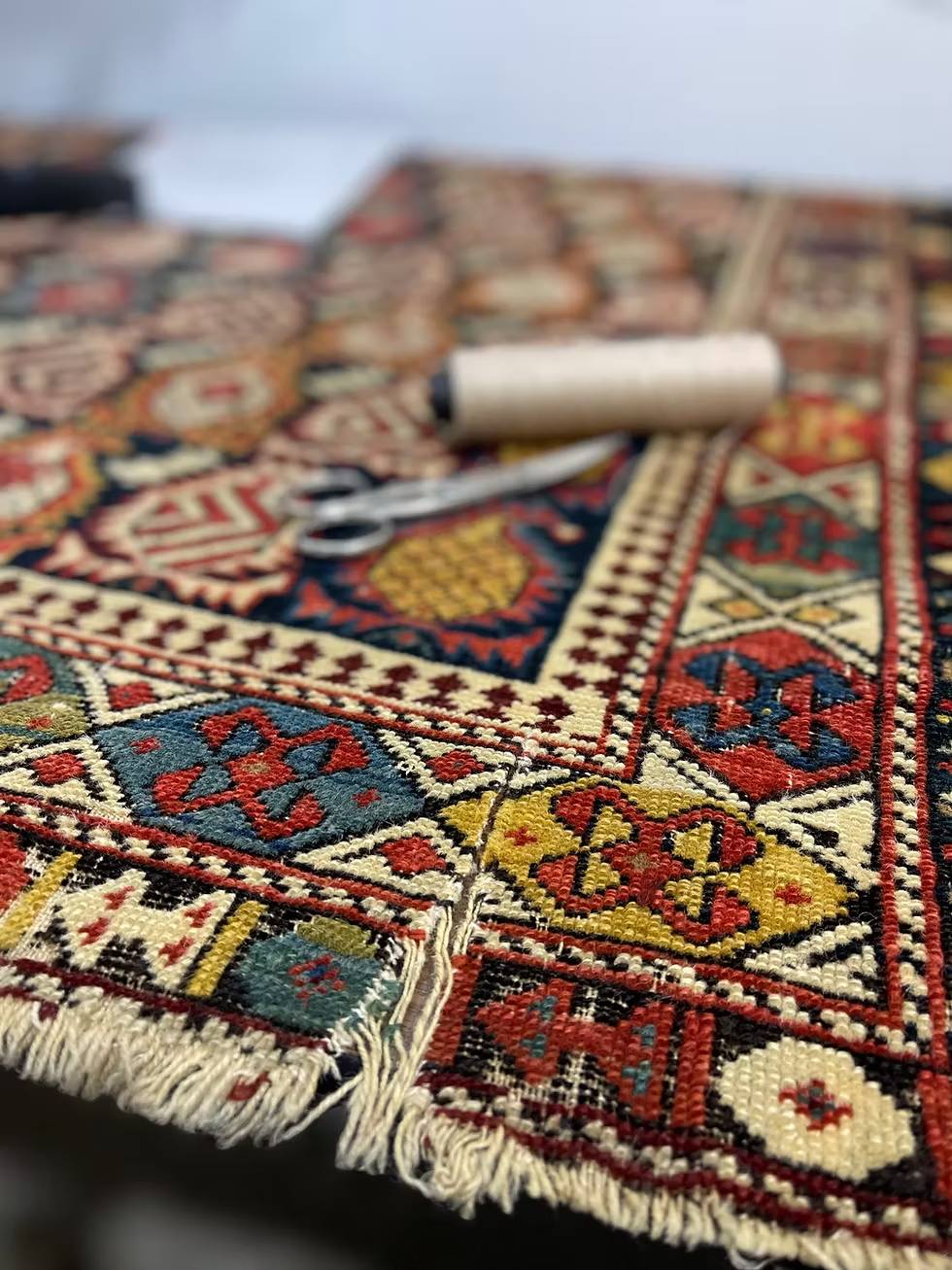
Frayed Edge Binding: Finishing Raw Carpet Edges Professionally
Exposed carpet edges can unravel over time, creating an unfinished appearance and increasing wear. Professional edge binding helps protect these vulnerable areas.
Common applications include:
- Area rugs
- Stair runners
- Room transitions
- Custom carpet installations
Binding involves attaching a protective edge treatment around the carpet perimeter. Materials may include fabric tape, stitched borders, or specialized binding systems.
In addition to improving durability, edge binding enhances aesthetics by creating a clean, finished appearance. Properly bound edges resist fraying and help maintain carpet structure under regular use.
This simple enhancement can significantly extend the lifespan of exposed carpet edges.
Color Restoration: Dyeing Faded Carpet Areas
Sunlight exposure, cleaning chemicals, and age can cause carpet colors to fade unevenly. In certain situations, professional dyeing can restore appearance without replacing the entire carpet.
Benefits of color restoration include:
- Improved visual consistency
- Lower cost than replacement
- Targeted treatment of faded areas
- Extended carpet lifespan
Technicians carefully match the original carpet color before applying specialized carpet dyes. The process may involve spot dyeing or larger area restoration depending on the extent of fading.
Successful color restoration requires accurate color matching and thorough preparation. While not suitable for every situation, dyeing can significantly improve the appearance of otherwise serviceable carpets.
Berber vs Cut Pile: Different Repair Techniques
Different carpet constructions require different repair methods. Berber and cut-pile carpets behave differently when damaged and therefore demand specialized approaches.
Berber carpet characteristics:
- Loop-based construction
- Durable surface
- Susceptible to snagging
- Requires loop-specific repairs
Cut-pile carpet characteristics:
- Cut fiber ends
- Softer texture
- Easier color blending
- Simpler patching procedures
Repairs on Berber carpets often focus on preserving loop integrity and preventing unraveling. Damaged loops may require individual reconstruction or carefully matched patching.
Cut-pile carpets generally allow easier blending because fibers can be trimmed and manipulated to conceal repairs more effectively.
Understanding carpet type helps ensure appropriate repair methods are selected.
When Carpet Should Be Replaced vs Repaired
Not all carpet damage requires full replacement. Determining whether repair or replacement is the better option depends on several factors.
Repair is often appropriate when:
- Damage is localized
- Carpet structure remains sound
- Stains are limited in size
- The carpet is relatively new
Replacement may be recommended when:
- Extensive wear is present
- Large areas are damaged
- Padding has deteriorated throughout
- Multiple repairs are required
A useful rule is to compare repair costs against the remaining lifespan of the carpet. If repairs restore many years of service, they often represent excellent value.
However, when widespread damage, heavy wear, and recurring issues exist, replacement may provide a more practical and cost-effective long-term solution. Careful assessment helps homeowners choose the option that best balances appearance, performance, and budget.
Frequently Asked Questions
Can a burn hole in carpet be fixed invisibly?
Yes, if you have leftover carpet. Cut out the damaged area, cut a matching patch from spare carpet, and adhesive it in place with pattern alignment.
How to fix a carpet wrinkle caused by humidity?
Professional re-stretching using a power stretcher. DIY knee kickers rarely provide enough tension for permanent results in large rooms.
Can pet urine smell be removed from carpet padding?
Only by replacing the padding. Urine penetrates padding permanently. Enzyme treatments clean carpet fibers but cannot salvage contaminated padding.
How to repair carpet seam separation?
Re-apply seam tape and use a seam iron to melt adhesive. Weights hold the seam flat while cooling. Professional tools yield best results.
What is the difference between patching and reweaving carpet?
Patching replaces a section with donor carpet. Reweaving rebuilds the damaged area strand by strand, only possible for woven carpets (not tufted).
Can I dye faded carpet?
Yes, professional carpet dyeing restores color to sun-faded or bleach-damaged areas. It works best on nylon and wool, less effectively on polyester.
How to fix frayed carpet edges?
Rebind the edge with new binding tape, or install a transition strip to cover the frayed area. Professional binding looks cleaner and lasts longer.
What carpet repairs are not worth doing?
Widespread pet damage, large burn holes without donor carpet, mold throughout, or carpet older than several years—replacement is often better.
How to prevent carpet wrinkles in Dubai?
Use quality padding, professionally installed with proper stretching. Maintain consistent indoor humidity. Avoid dragging heavy furniture across carpet.