
Modern homes are designed with a strong focus on comfort, functionality, and visual harmony. Furniture plays a major role in shaping living spaces, and sofas often become the centerpiece of living rooms and social areas. Over time, daily use naturally affects the fabric, cushioning, and structural support of sofas, making upholstery an essential part of maintaining furniture quality and comfort.
Understanding how upholstery works helps homeowners make informed decisions about furniture care, material selection, and long-term maintenance. From structural preparation to fabric performance and installation techniques, upholstery involves multiple technical and design considerations. This article explains how modern upholstery works, what factors influence results, and how homeowners can better understand furniture restoration and maintenance processes.
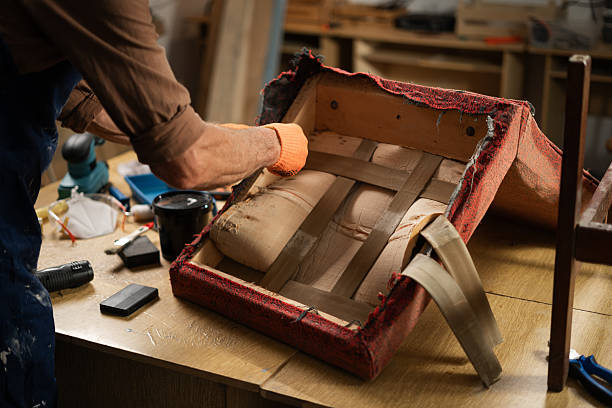
How upholstery design influences overall living room aesthetics and interior harmony
Upholstery is not only about comfort; it also plays a major role in interior design. Fabric texture, color, pattern, and stitching style all influence how furniture integrates into the overall design theme of a home.
When studying furniture finishing techniques such as sofa upholstery dubai, design coordination becomes a key focus. Upholstery can either complement or contrast with wall colors, flooring materials, and decorative elements.
Important aesthetic considerations include:
- Fabric color coordination with walls and flooring
- Pattern scale matching room size and furniture shape
- Texture balance between soft and hard interior surfaces
- Stitching style contributing to modern or classic design themes
Modern upholstery often blends minimalistic fabric choices with durable materials that maintain appearance even after heavy usage.
Understanding how different foam densities impact seating comfort and support levels
Foam density directly affects how a sofa feels during use and how long it maintains its shape. High-density foam provides firmer support and usually lasts longer, while lower-density foam provides a softer seating experience but may compress faster.
Foam density influences:
- Body weight distribution
- Long-term seat shape retention
- Cushion resilience after repeated use
- Overall ergonomic comfort
Common foam density categories include:
- Low Density: Soft comfort but shorter lifespan
- Medium Density: Balanced comfort and durability
- High Density: Firm support with extended durability
Choosing the right foam density depends on seating frequency, user preferences, and expected furniture lifespan.
The importance of frame inspection before starting any upholstery replacement project
Before replacing upholstery, furniture frames must be inspected carefully. The frame acts as the foundation for upholstery materials and determines overall durability.
Frame inspection typically checks for:
- Wood cracking or splitting
- Joint loosening or movement
- Metal fatigue in adjustable components
- Spring alignment and tension stability
For furniture pieces using traditional or cultural seating structures, understanding structural foundations is especially important. For example, traditional seating structures discussed under broader furniture finishing concepts like upholstery often require specialized inspection before any material replacement begins.
Skipping frame inspection can result in new upholstery failing prematurely due to underlying structural weakness.
How upholstery techniques have evolved with modern furniture manufacturing methods
Upholstery techniques have changed significantly with advances in furniture manufacturing. Modern upholstery often combines automated cutting tools with traditional hand-finishing methods.
Major modern upholstery advancements include:
- Computer-guided fabric cutting for precision
- Advanced adhesive technologies for padding stability
- Reinforced stitching techniques for high-stress areas
- Improved breathable fabric technologies
Despite automation, skilled craftsmanship remains essential for achieving proper fabric tension, smooth finishing, and long-term durability.
Comparing traditional hand upholstery techniques with modern automated processes
Traditional upholstery relies heavily on manual craftsmanship, while modern upholstery often incorporates technology to improve speed and precision.
Traditional Hand Upholstery Advantages
- Greater customization flexibility
- Better detailing in complex furniture designs
- Preservation of heritage furniture craftsmanship
Modern Automated Upholstery Advantages
- Consistent fabric cutting accuracy
- Faster production timelines
- Reduced material waste
Many modern furniture projects combine both methods to balance quality and efficiency.
How material selection contributes to furniture longevity and daily usage performance
Material selection directly affects how upholstery performs under daily usage conditions. Durable materials resist staining, fading, and tearing, which helps maintain furniture appearance and comfort.
Important performance factors include:
- Abrasion resistance for high-traffic seating
- Moisture resistance for humid environments
- Colorfastness to prevent fading
- Breathability for comfort during long sitting periods
Material performance also influences maintenance requirements. Some fabrics require specialized cleaning techniques, while others are designed for easy everyday cleaning.
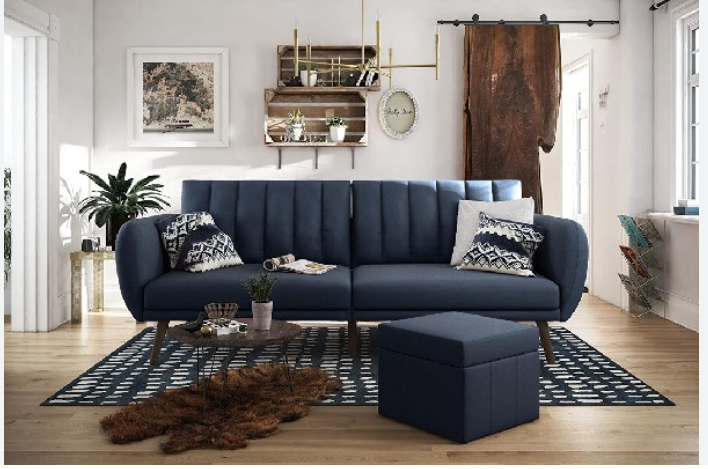
Understanding fabric resistance to stains, fading, and daily wear in home environments
Fabric resistance determines how well upholstery maintains its appearance under real-life usage conditions. Modern upholstery fabrics are often engineered for durability without sacrificing comfort.
In modern home furniture design, upholstery performance often aligns with broader home construction and interior finishing elements. For example, in spaces where furniture is integrated with built-in elements such as kitchen cabinets dubai, material durability and aesthetic coordination become equally important.
Key fabric resistance features include:
- Stain-resistant coatings for easier cleaning
- UV-resistant fibers to reduce sunlight fading
- Reinforced weaving patterns for tear resistance
- Performance finishes that protect against moisture
Selecting performance fabrics can significantly extend furniture usability and reduce maintenance effort.
Conclusion
Modern upholstery combines material science, structural engineering, and interior design principles to improve furniture performance and longevity. From foam density and frame inspection to fabric resistance and advanced manufacturing techniques, each step contributes to the final comfort and durability of upholstered furniture.
Understanding how upholstery works allows homeowners to make better long-term furniture decisions. By considering structural integrity, material performance, and maintenance practices, modern upholstered furniture can maintain comfort, appearance, and functionality for many years.
FAQs
What does upholstery include in furniture restoration projects?
Upholstery restoration typically includes fabric replacement, padding replacement, frame inspection, spring repair if needed, and finishing adjustments to restore comfort and appearance.
How do upholstery materials affect indoor air quality and comfort?
Breathable fabrics improve airflow and reduce heat buildup. Low-chemical or natural materials can help reduce indoor air pollutants and improve comfort levels.
What preparation is needed before starting an upholstery project?
Preparation usually involves cleaning furniture, inspecting frame integrity, checking springs or support systems, and selecting suitable replacement materials.
How do professionals match fabrics with existing home décor styles?
Professionals typically analyze color palettes, room lighting, furniture shapes, and existing material textures to recommend suitable upholstery fabrics.
What are the signs that furniture needs new upholstery?
Common signs include fabric tearing, visible foam compression, sagging seats, fading colors, and reduced seating comfort.
How does upholstery affect furniture comfort and structural support?
Upholstery directly influences seating softness, posture support, and long-term durability. Proper upholstery ensures even weight distribution and prevents structural strain.