
How to Clean Every Type of Upholstery Like a Professional starts with understanding that each fabric requires a different cleaning method. Keeping upholstery clean is essential for maintaining a fresh, healthy, and visually appealing home environment. From delicate linen and cotton blends to durable microfiber, leather, and synthetic materials, using the right techniques helps prevent damage while preserving the fabric’s original texture, color, and overall appearance for years to come.
Learning how to clean every type of upholstery like a professional not only helps extend the lifespan of your furniture but also enhances indoor air quality by removing dust, allergens, and stubborn stains. In this guide, we will break down expert-approved techniques, tools, and cleaning solutions tailored to each material, so you can confidently restore your sofas, chairs, and cushions to their best condition without risking costly mistakes.
Vacuuming Techniques: Brush Attachments vs Upholstery Tools
Regular vacuuming is one of the most effective ways to extend the life of upholstered furniture. Dust, dirt, and debris gradually work their way into fabric fibers, causing premature wear and dulling the appearance of sofas, chairs, and cushions. Using the correct vacuum attachment can significantly improve cleaning results.
Key differences include:
- Brush attachments loosen surface dust effectively
- Upholstery tools provide deeper cleaning in seams
- Soft brushes reduce fabric damage
- Narrow tools reach difficult corners and crevices
Brush attachments are ideal for everyday maintenance. Their soft bristles gently agitate the fabric surface, lifting dust and pet hair without harming delicate materials. They work particularly well on woven fabrics and textured upholstery.
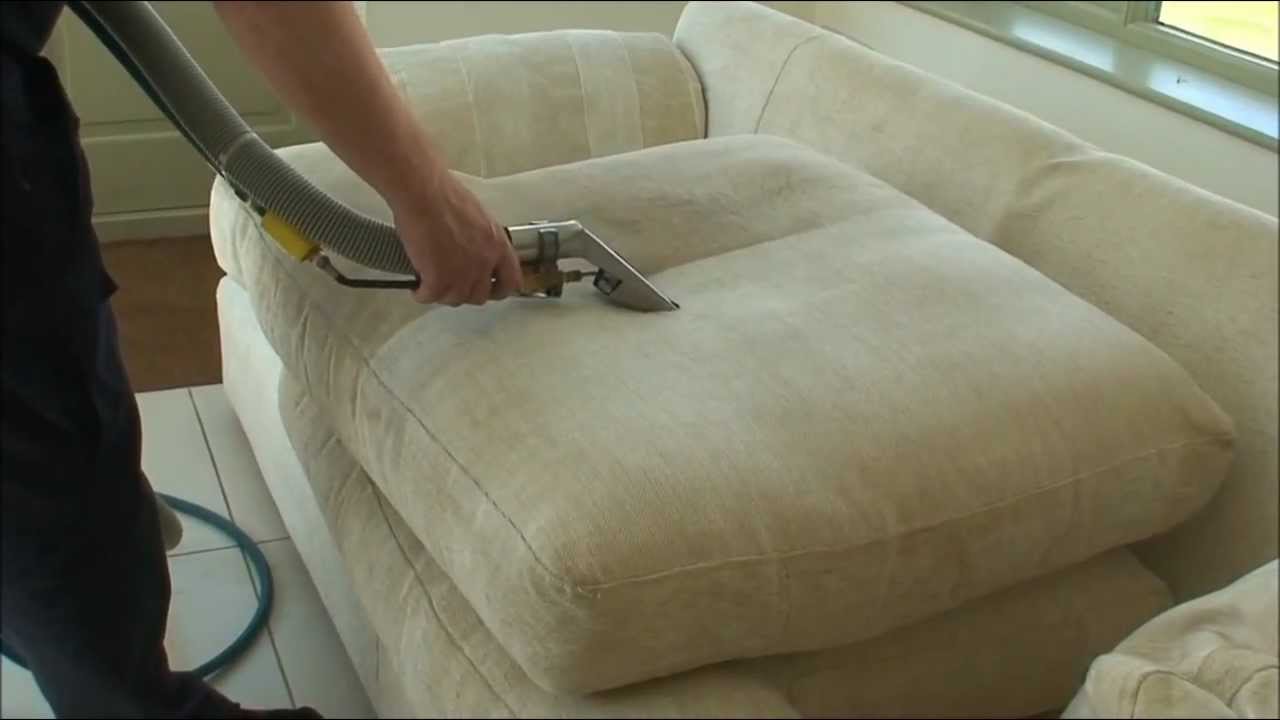
Upholstery tools, which feature a wider suction opening and no rotating brush, are designed to remove dirt embedded within cushions, seams, and folds. They are especially useful for deep cleaning and allergen removal.
For best results, vacuum furniture weekly using overlapping strokes. Pay special attention to armrests, seat cushions, and creases where dirt tends to accumulate. Consistent vacuuming not only improves cleanliness but also helps preserve fabric texture and appearance over time.
Water-Based vs Solvent-Based Cleaners: Which for Which Fabric
Choosing the correct upholstery cleaner is essential to avoid damaging fabric while effectively removing stains and dirt. Upholstery manufacturers often recommend either water-based or solvent-based cleaning methods depending on the material.
Water-based cleaners are generally suitable for:
- Synthetic fabrics
- Polyester blends
- Microfiber upholstery
- Many treated performance fabrics
Solvent-based cleaners are commonly used for:
- Delicate fabrics
- Certain natural fibers
- Materials sensitive to water marks
- Specialty upholstery requiring dry-cleaning methods
Water-based products are effective at removing everyday dirt, food stains, and water-soluble contaminants. They are often safer for routine maintenance and easier to use at home.
Solvent-based cleaners evaporate quickly and minimize moisture exposure. This helps prevent shrinkage, discoloration, or water spotting on sensitive materials.
Before applying any cleaning product, test it in an inconspicuous area. Following manufacturer recommendations ensures effective cleaning while protecting upholstery from unnecessary damage.
Removing Red Wine Stains: The Professional Blotting Method
Red wine is one of the most challenging upholstery stains because its pigments can quickly penetrate fabric fibers. Prompt action significantly increases the chances of complete removal.
Professional stain removal steps include:
- Blot immediately with clean cloths
- Avoid rubbing the stain
- Absorb excess liquid first
- Apply appropriate cleaning solution gradually
Blotting is crucial because rubbing pushes wine deeper into the fabric and spreads the stain. A clean white cloth should be pressed gently against the affected area to absorb as much liquid as possible.
Once excess wine has been removed, a suitable upholstery cleaner can be applied according to fabric requirements. Additional blotting helps lift remaining pigment from the fibers.
Patience is essential during the process. Multiple gentle treatments are often more effective than aggressive scrubbing, which can damage fabric and worsen the stain.
Pet Urine Odor Removal: Enzyme Cleaners That Neutralize Completely
Pet urine presents unique cleaning challenges because odors can remain even after visible stains disappear. Standard cleaners often mask smells temporarily without eliminating the underlying source.
Benefits of enzyme cleaners include:
- Break down urine compounds
- Eliminate odor at the source
- Reduce repeat accidents
- Improve overall hygiene
Enzyme-based products contain biological agents that digest organic waste materials responsible for lingering odors. Unlike traditional cleaners, they target both visible contamination and microscopic residue trapped within upholstery fibers.
For best results, affected areas should be treated as soon as possible. The cleaner must remain in contact with the contaminated material long enough for the enzymes to work effectively.
Complete odor removal often requires deep penetration into cushions and padding, especially if the urine has soaked beyond the surface fabric.
Ink and Marker Removal: Alcohol-Based Solutions Tested
Ink and marker stains can be particularly difficult to remove because pigments bond quickly with fabric fibers. Success often depends on acting quickly and using the correct cleaning agent.
Recommended approaches include:
- Blot excess ink immediately
- Use alcohol-based cleaning solutions
- Test products on hidden areas first
- Avoid excessive saturation
Alcohol-based products can dissolve many types of ink without damaging synthetic upholstery fabrics. However, care must be taken to prevent spreading the stain further.
The stain should be blotted gently rather than rubbed. Fresh cloth sections should be used frequently to avoid reapplying dissolved ink back onto the fabric.
Multiple light applications often produce better results than a single aggressive treatment.
Oil and Grease Stains: Absorbent Powders Before Cleaning
Oil and grease stains require a different cleaning strategy because they are not water-soluble. Attempting to clean them immediately with water may actually spread the contamination.
Effective treatment steps include:
- Apply absorbent powder immediately
- Allow time for oil absorption
- Vacuum residue thoroughly
- Follow with appropriate upholstery cleaner
Absorbent powders help draw oils away from fabric fibers before deeper cleaning begins. This reduces the amount of grease remaining in the upholstery and improves cleaning effectiveness.
After removing the powder, a suitable degreasing upholstery cleaner can be applied if necessary. Early intervention greatly increases the likelihood of complete stain removal.
The combination of absorption and targeted cleaning provides the best results for oily contaminants.
Mold and Mildew Treatment: Vinegar Solutions and Drying Protocols
Mold and mildew can develop when upholstery remains damp for extended periods. Beyond causing unpleasant odors, these contaminants may also affect indoor air quality.
Key treatment steps include:
- Isolate affected furniture
- Apply appropriate cleaning solution
- Remove visible contamination
- Ensure thorough drying
Vinegar-based solutions are commonly used because they help neutralize mold while remaining relatively gentle on many upholstery materials. However, compatibility with specific fabrics should always be verified beforehand.
Equally important is the drying process. Even successful cleaning will not prevent recurrence if moisture remains trapped within cushions or padding.
Proper ventilation, dehumidification, and air circulation are essential components of mold remediation and long-term prevention.
Leather Cleaning: pH-Balanced Soaps and Conditioning After
Leather upholstery requires specialized care because improper cleaning can strip natural oils and accelerate aging. Using the correct products helps maintain both appearance and durability.
Recommended practices include:
- Use pH-balanced leather cleaners
- Avoid harsh household detergents
- Clean gently with soft cloths
- Condition after cleaning
pH-balanced soaps are formulated specifically for leather and help remove dirt without disrupting the material’s natural structure. Harsh chemicals can cause drying, cracking, and discoloration.
After cleaning, leather conditioners should be applied to replenish lost moisture and maintain flexibility. Conditioning also improves resistance to future wear and environmental stress.
Routine cleaning and conditioning help preserve the softness, appearance, and longevity of leather furniture.
When to Call Professionals vs DIY Deep Cleaning
While many upholstery maintenance tasks can be handled at home, some situations require professional expertise. Knowing when to seek professional assistance can prevent costly mistakes and improve results.
DIY cleaning is generally appropriate for:
- Routine maintenance
- Minor stains
- Surface dirt removal
- Regular vacuuming and care
Professional cleaning is recommended for:
- Large or persistent stains
- Delicate fabrics
- Mold contamination
- Extensive odor removal
- Valuable or antique furniture
Professional technicians have access to specialized equipment, advanced cleaning products, and fabric-specific knowledge that may not be available to homeowners.
When uncertainty exists about a fabric type or stain treatment method, consulting a professional often provides the safest solution. Proper assessment can prevent accidental damage and help preserve furniture quality for years to come.
Frequently Asked Questions
Can I use a steam cleaner on my sofa?
Depends on the fabric. Check manufacturer codes: W (water safe), S (solvent only), WS (either), X (vacuum only). Steam cleaning on non-water-safe fabrics causes shrinkage.
How to remove red wine from fabric upholstery?
Blot immediately, never rub. Apply salt to absorb moisture. Vacuum when dry. Then use cold water and dish soap. Hot water sets the stain.
What removes pet urine odor from sofa foam?
Professional enzyme cleaners break down uric acid crystals. DIY baking soda and vinegar work for surface stains but may not reach deep foam.
How to clean velvet upholstery without damaging it?
Vacuum with brush attachment. For spots, use a velvet-specific cleaner and blot. Never wet-clean velvet—it crushes the pile and leaves water marks.
Can I use bleach on upholstery?
Only on solution-dyed acrylic or specific bleach-safe fabrics. Bleach destroys most upholstery fibers and void warranties. Test in hidden area first.
How to remove ink from leather sofa?
Use isopropyl alcohol on a cotton swab—test in hidden area first. For stubborn marks, professional chemical cleaning is safer. Never use nail polish remover.
How often should I deep clean my upholstery?
Light use: annually. Heavy use (kids/pets): every 6 months. Commercial: quarterly. Between deep cleans, vacuum weekly and spot clean immediately.
What is the best way to dry upholstery after cleaning?
Use fans and dehumidifiers. Open windows if humidity is low. Never sit on wet upholstery—it compresses foam and prevents drying, leading to mold.
Does baking soda work for upholstery odors?
Yes for surface odors. Sprinkle, let sit for hours, then vacuum. For deep odors (pet urine, smoke), professional enzyme treatment is more effective.