
Sofas are among the most frequently used furniture pieces in any home, serving as spaces for relaxation, social interaction, and daily living activities. Over time, even the highest-quality sofas experience wear and tear due to constant use, environmental exposure, and natural material aging. Upholstery plays a critical role in maintaining both the comfort and visual appeal of these essential furniture items.
Understanding upholstery goes beyond just fabric selection. It involves structural reinforcement, padding technology, stitching methods, and maintenance strategies that collectively determine how long a sofa remains functional and comfortable. Learning about upholstery helps homeowners make better decisions regarding furniture care, restoration, and long-term home interior planning.
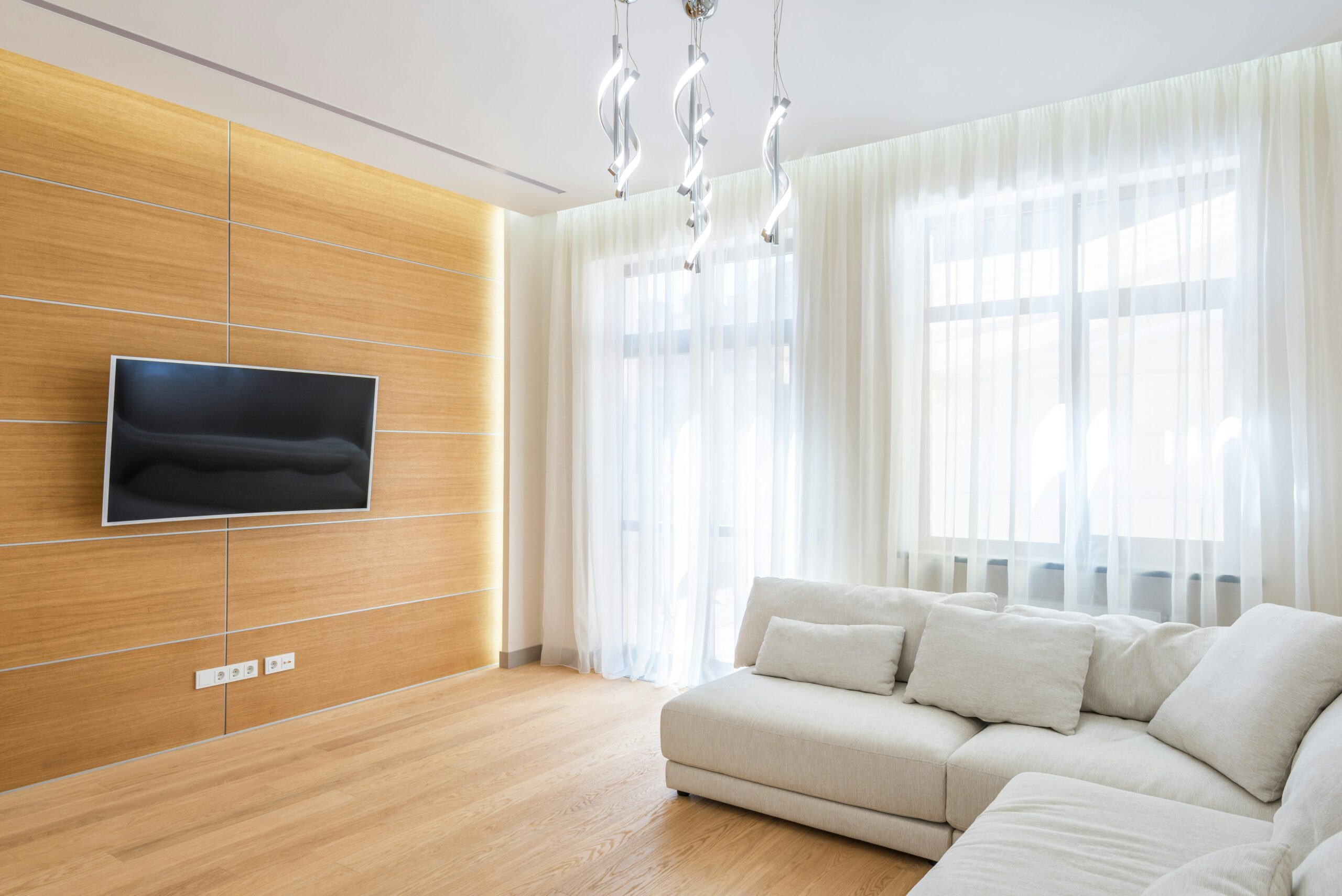
Understanding the full process involved in modern sofa upholstery restoration and replacement techniques
Modern upholstery is a multi-step technical process designed to restore or upgrade furniture while preserving structural strength. It typically involves removing old fabric, inspecting the frame, replacing worn padding, and applying new covering materials.
The complete process usually includes:
- Frame inspection for cracks or loose joints
- Spring system testing and reinforcement
- Foam or padding replacement for comfort restoration
- Fabric cutting and precision fitting
- Final finishing and stitching quality checks
Many homeowners explore professional services to understand how proper sofa upholstery methods can extend furniture usability while maintaining interior design consistency. The process is not only cosmetic but also structural, helping improve comfort and durability simultaneously.
Additionally, modern upholstery often integrates advanced materials such as memory foam padding and stain-resistant fabrics, offering better long-term performance compared to traditional techniques.
How different padding materials influence comfort, durability, and long-term furniture performance
Padding is one of the most critical yet overlooked components of upholstery. The type of padding directly impacts how a sofa feels during use and how well it retains its shape over time.
Common padding options include:
High-Density Foam
- Maintains shape for longer periods
- Provides firm seating support
- Ideal for frequently used living spaces
Memory Foam Layers
- Adapts to body shape
- Improves pressure distribution
- Enhances luxury comfort levels
Polyester Fiber Fill
- Creates softer seating surfaces
- More affordable but compresses faster
The right padding combination depends on usage frequency, household size, and comfort preferences. Poor padding choices often lead to sagging seats and uneven surface wear.
The role of stitching patterns and frame preparation in extending sofa lifespan and usability
Stitching quality directly affects how well upholstery fabric withstands tension and repeated use. Poor stitching can cause seams to split, fabric to stretch unevenly, or cushions to lose shape prematurely.
Important stitching considerations include:
- Double stitching for high-stress areas
- Reinforced corner stitching to prevent tearing
- Hidden seams for aesthetic consistency
Frame preparation is equally important. Upholstery professionals often:
- Tighten loose joints
- Replace broken wooden sections
- Reinforce stress points
- Apply protective coatings
In regions with intense climate conditions, specialists in upholstery dubai services often emphasize moisture-resistant stitching threads and treated frame materials to prevent long-term structural damage.
Comparing natural and synthetic upholstery materials for residential seating applications
Material selection significantly affects durability, comfort, and maintenance requirements. Each material type offers unique benefits and limitations.
Natural Materials
Examples include cotton, linen, leather, and wool.
Benefits:
- Breathable texture
- Natural appearance
- Often more comfortable in moderate climates
Limitations:
- Can stain more easily
- May fade with sun exposure
Synthetic Materials
Examples include polyester, microfiber, and acrylic blends.
Benefits:
- High stain resistance
- Better color retention
- Often more durable in high-use homes
Limitations:
- May feel less breathable
- Some lower-quality options wear quickly
Choosing between these materials requires balancing lifestyle needs, maintenance preferences, and environmental conditions.
How environmental factors like humidity and heat affect upholstered furniture over time
Environmental exposure plays a major role in upholstery lifespan. Heat, humidity, and dust can accelerate fabric deterioration and internal padding breakdown.
Common environmental risks include:
High Humidity
- Encourages mold growth
- Weakens fabric fibers
- Damages wooden frames
High Temperature
- Causes fabric fading
- Weakens adhesive bonding in padding layers
Dust and Sand Particles
- Accelerate surface wear
- Damage stitching over time
Proper ventilation, protective covers, and regular cleaning schedules help reduce environmental damage significantly.
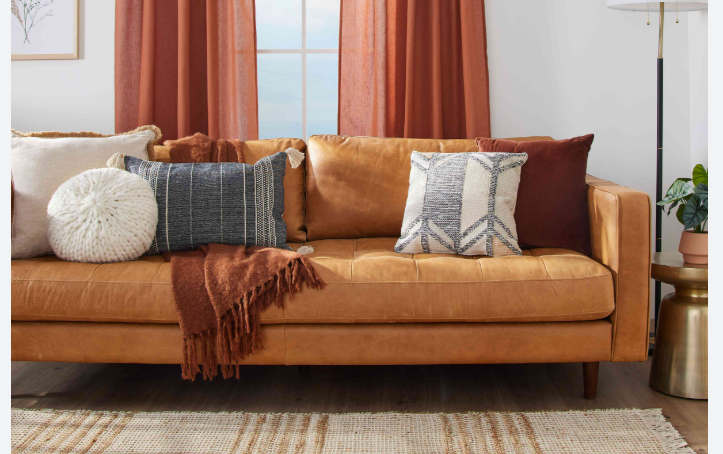
Signs that indicate your sofa requires reupholstering instead of simple surface cleaning
Many homeowners delay reupholstery because damage often develops gradually. Recognizing early warning signs helps prevent structural deterioration.
Key indicators include:
- Visible fabric tears or thinning areas
- Cushion sagging even after fluffing
- Squeaking or unstable frame movement
- Persistent odors trapped in padding
- Uneven seating surface
Interior professionals often recommend evaluating surrounding décor elements like office curtains and soft furnishings together to maintain consistent material performance and aesthetic balance across spaces.
Maintenance habits that help preserve fabric texture, color quality, and structural integrity
Consistent maintenance dramatically extends upholstery lifespan. Small routine habits often prevent major restoration costs later.
Weekly Maintenance
- Vacuum fabric surfaces
- Rotate seat cushions
- Remove dust from seams
Monthly Maintenance
- Spot clean stains immediately
- Inspect stitching and seams
- Check cushion firmness
Annual Maintenance
- Deep professional cleaning
- Frame stability inspection
- Padding performance evaluation
Avoid placing sofas under direct sunlight or near heat sources to minimize long-term material degradation.
Conclusion
Sofa upholstery is a complex combination of structural engineering, material science, and design craftsmanship. Understanding how upholstery works allows homeowners to maintain furniture quality, improve comfort levels, and extend the usable life of valuable household items.
By learning about padding materials, fabric options, environmental effects, and maintenance practices, individuals can make informed decisions that protect both furniture investments and home comfort for years to come.
FAQs
What is the difference between reupholstery and furniture repair?
Reupholstery focuses on replacing fabric, padding, and sometimes springs, while repair typically addresses structural frame damage or mechanical issues.
How long does professional sofa reupholstery typically last?
High-quality reupholstery can last 7–15 years depending on material choice, usage frequency, and maintenance habits.
Which upholstery materials are easiest to maintain in busy homes?
Synthetic blends like microfiber and polyester are generally easier to clean and resist stains better than most natural fabrics.
Can old sofas be structurally improved during upholstery work?
Yes, upholstery projects often include frame reinforcement, spring replacement, and padding upgrades.
Does upholstery change the comfort level of seating furniture?
Yes, new padding materials and structural repairs can significantly improve seating comfort and support.
How often should upholstered furniture be inspected for damage?
Basic inspections should be done every 6–12 months, with deeper professional inspections every few years depending on usage.